Why everyone is talking about The Coach Multi Gender
Most of us train our bodies in some way. We walk, lift, stretch or run, and we accept that strength and stamina come from small, repeated effort. Yet the muscles and habits that shape confidence in the bedroom are usually left to chance. The Coach Multi Gender sets out to change that. Its makers describe it in one memorable line: it is like a gym, but for your sex life.
What makes it different from the many “men’s health” or “women’s wellness” apps is that it does not pick a side. From the very first screen you choose whether you are male or female, and the whole program is then built around your body, your goals and your starting point. That is why people searching for a single, balanced program now look for The Coach Multi Gender by name.
In this guide we walk through exactly what the app is, how the one-minute self-check works, what the daily training feels like for men and for women, and what kind of progress is realistic. We also cover who should talk to a doctor first, because an honest guide should tell you when an app is not the right tool.
Ready to see your personal plan?
Try The Coach Multi GenderWhat is The Coach Multi Gender?
The Coach is a mobile training app focused on sexual wellness and the body systems that support it. At its core is pelvic floor training — the group of muscles that sits like a hammock at the base of your pelvis. These muscles help with bladder control, core stability and, for both men and women, sexual function and sensation.
Around that core, the app layers short lessons, breathing work, mobility drills and mindset exercises. Instead of a random list of Kegels, you receive a structured plan that grows with you, with reminders, progress tracking and simple guidance that tells you exactly what to do in each session.
The “multi gender” part matters. Male and female pelvic anatomy are different, and so are the most common goals. A man might want better control and longer-lasting stamina, while a woman might want stronger sensation, easier arousal or more comfort. The Coach Multi Gender uses separate, purpose-built tracks so neither person is following a program designed for someone else.
Why a multi-gender approach makes more sense
For years, pelvic floor advice was split in an awkward way. Women heard about Kegels mainly in relation to pregnancy and childbirth, while men rarely heard about them at all. The result was that many adults never learned that these muscles can be trained just like any other.
A multi-gender program solves three common problems at once:
- It speaks to your actual body. Cues, positions and progressions are adjusted for male or female anatomy, so the instructions feel natural rather than confusing.
- It respects different goals. Control, endurance, sensation, comfort and confidence are weighted differently depending on the answers you give in your self-check.
- It works for couples. When both partners use the same app on their own tracks, it becomes easier to talk openly, encourage each other and build a shared routine.
This shared language is one of the quiet strengths of The Coach Multi Gender. Intimacy is rarely a one-person project, and an app that both partners can use without embarrassment removes a surprising amount of friction.

How The Coach works: from a 1-minute self-check to a daily plan
Step 1 — The self-check
Everything starts with a short quiz. You pick male or female, choose your main goal, and answer a handful of private questions about age, current satisfaction, confidence and habits. It takes about a minute and there are no right or wrong answers; the point is simply to find your starting level.
Step 2 — Your personal program
Based on those answers, the app builds a plan. You see what you will focus on first, how long each session will take and what kind of progress to look for over the coming weeks. Beginners start gently, with an emphasis on finding and relaxing the right muscles before adding strength work.
Step 3 — Short daily sessions
Most sessions take only a few minutes. A timer guides each squeeze, hold and release, while short lessons explain why you are doing it. Because nothing requires equipment and the exercises are invisible to anyone around you, it is easy to train at home, on a break or before bed.
Step 4 — Track and progress
As you complete workouts, the app records streaks and gradually raises the challenge — longer holds, faster pulses and more complex combinations. Seeing that progress is a powerful motivator, especially in the first few weeks when changes can feel subtle.
Ready to see your personal plan?
Take the Free Self-CheckInside the men’s track
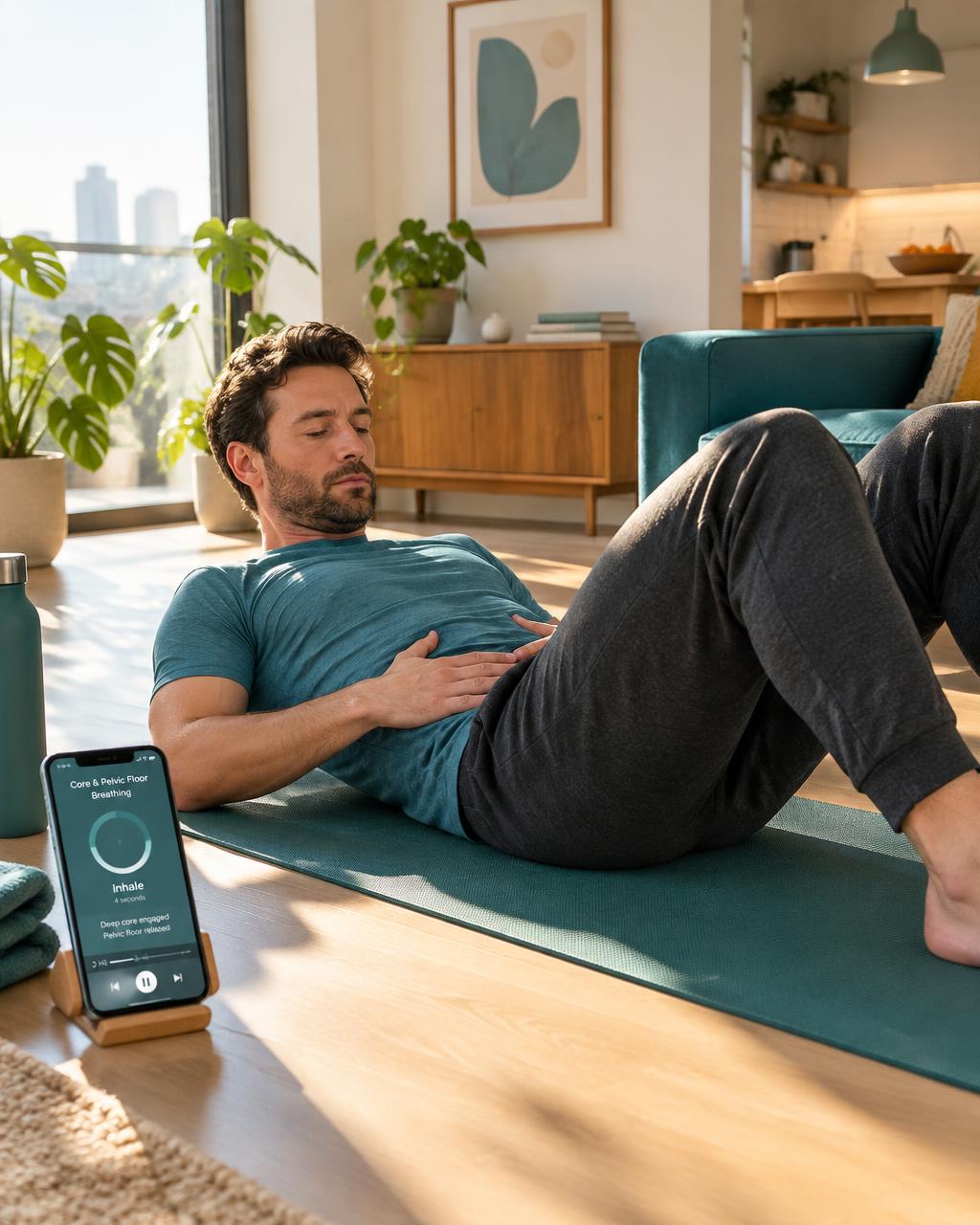
For men, The Coach Multi Gender focuses on awareness and control. Many men have never consciously contracted their pelvic floor, so the first sessions teach you how to find it — and, just as importantly, how to let it go. A muscle that is always tense is not a strong muscle; it is a tired one.
- Quick pulses to build responsiveness and a sense of control.
- Long holds to build endurance over the course of the program.
- Reverse Kegels and breathing work to release tension and stay relaxed under pressure.
- Lessons on arousal, pacing and performance anxiety, so the mental side gets trained too.
Men who stay consistent often describe feeling more in tune with their bodies and more confident, rather than anxious, about intimacy. That shift in confidence can be as valuable as the physical training itself.
Inside the women’s track
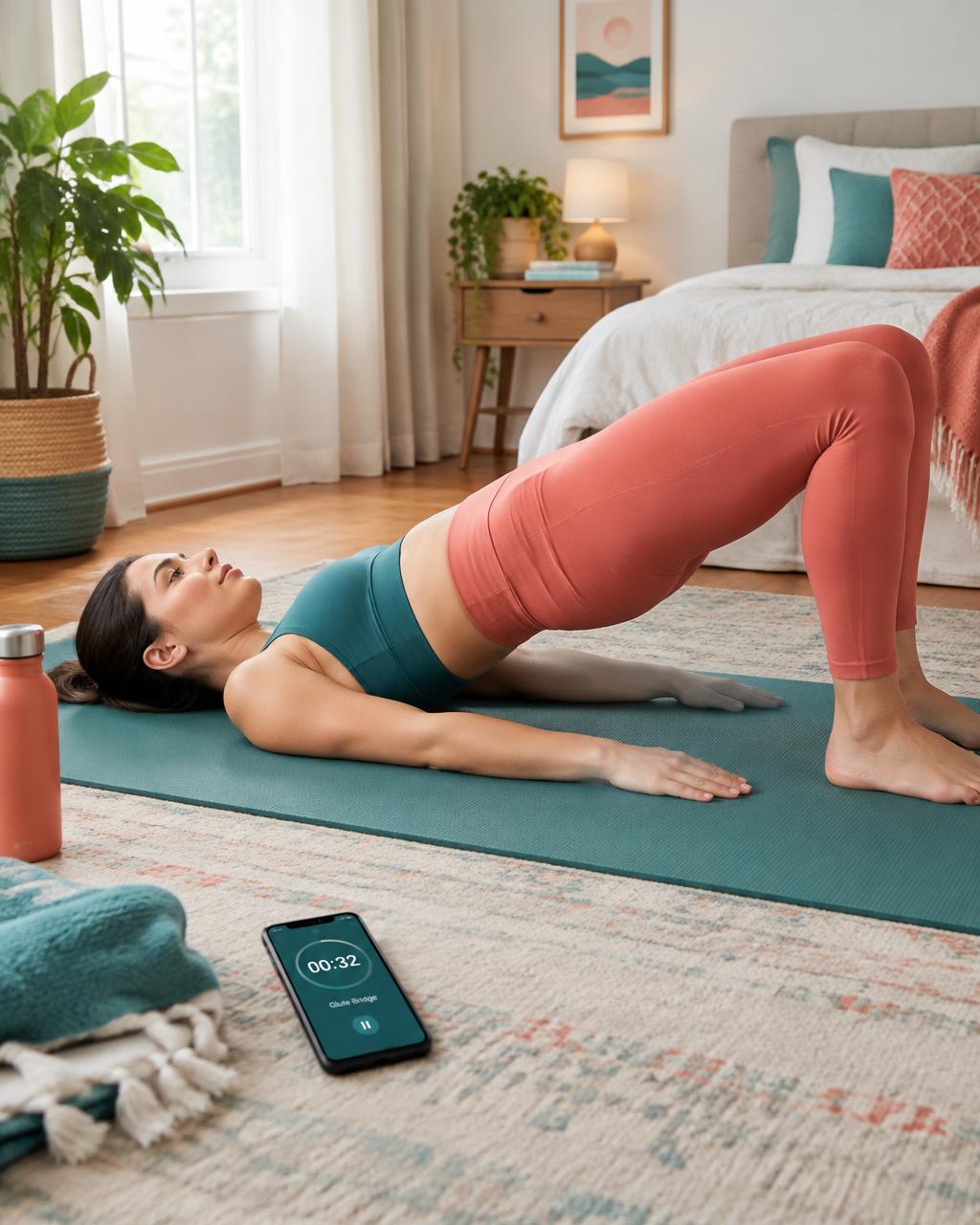
The women’s track is designed around sensation, comfort and connection. It still includes strength work, but it gives equal space to relaxation, because a pelvic floor that can fully release is key to comfort and pleasure.
- Gentle activation drills to find and isolate the right muscles.
- Strength and endurance sets that progress at a comfortable pace.
- Relaxation and breathing sequences to reduce tension and support comfort.
- Lessons on arousal, body awareness and communicating needs with a partner.
Many women appreciate that the program treats sexual wellness as a normal part of health rather than a taboo subject. The tone is calm, practical and free of judgment, which makes it easier to stick with.
The foundations behind the program
The Coach Multi Gender is not a miracle and it does not claim to be one. Its approach rests on a few well-understood ideas:
- Pelvic floor muscles respond to training. Like any skeletal muscle, they can become stronger, more coordinated and more enduring with regular practice.
- Relaxation is as important as strength. Learning to release tension supports comfort and control for every gender.
- Breathing links body and mind. Slow diaphragmatic breathing helps calm nerves and coordinates naturally with the pelvic floor.
- Confidence is a skill. Knowing what to expect and having a plan reduces anxiety, which in turn improves the experience.
In other words, the app packages common-sense, coach-style guidance into a format that is easy to follow every day. The value lies in structure and consistency — the two things most people struggle to create on their own.
What a first week can look like
Every plan is personal, but a typical opening week with The Coach Multi Gender looks something like this:
- Day 1: Complete the self-check, read the introduction lesson and try a guided “find the muscle” session.
- Day 2: Short activation workout plus a breathing exercise to learn how to relax afterward.
- Day 3: First endurance holds, kept short and comfortable.
- Day 4: A lesson on mindset and confidence, followed by a light workout.
- Day 5: Quick pulse training to build responsiveness.
- Day 6: A combined session mixing holds, pulses and relaxation.
- Day 7: Review your streak, note how you feel and let the app adjust the next week.
None of these sessions are long. The secret is turning up most days. Users who set a fixed time — for example right after brushing their teeth — tend to build the habit fastest.
Ready to see your personal plan?
Start My First WeekWho should try The Coach Multi Gender — and who should check with a doctor first
The app is a good fit for adults who want a private, structured way to improve their sexual wellness, confidence and body awareness. It suits complete beginners as well as people who have tried Kegels before but never stuck with them.
It is not a replacement for medical care. If you have pelvic pain, symptoms that appeared suddenly, recent surgery, pregnancy-related concerns or you take medication that affects sexual function, speak to a doctor or a pelvic health physiotherapist first. They can confirm whether training is right for you and The Coach can then become a helpful daily companion to their advice.
Pros and considerations
What we like
- Separate, thoughtful tracks for men and women.
- A fast one-minute self-check that personalizes the plan.
- Short, discreet sessions that need no equipment.
- Lessons that train confidence and mindset, not just muscles.
- Progress tracking and reminders that make consistency easier.
What to keep in mind
- Results depend on regular practice; skipping weeks slows progress.
- Changes are gradual, not overnight.
- Full access requires a paid plan, so review the current offer before you subscribe.
- It is a wellness tool, not a medical treatment.
Tips to get the most from your plan
- Be honest in your self-check. Accurate answers lead to a plan that fits.
- Focus on quality over quantity. A few precise contractions beat dozens of rushed ones.
- Always relax fully between reps. Release is part of the exercise.
- Pair training with good sleep, movement and hydration for better overall energy.
- Talk with your partner. Sharing your goals often makes the journey easier and more fun.
The Coach Multi Gender vs. doing Kegels on your own
You can, of course, read a few instructions online and try pelvic floor exercises without any app. Plenty of people start that way. The trouble is that most give up within a couple of weeks, and many are never sure they are squeezing the right muscles in the first place.
The Coach Multi Gender fills those gaps. Guided timers remove the guesswork about how long to hold and rest. Progressive plans stop you from doing the same easy routine forever. Lessons explain the why behind each drill, and reminders gently pull you back when life gets busy. Think of it as the difference between owning a set of dumbbells and having a personal trainer who tells you exactly what to do with them today.
For couples the gap is even bigger. Two people following random advice rarely stay in sync, while two people on matching, gender-specific tracks in the same app can check in with each other, celebrate streaks and keep the conversation going naturally.
Quick answers to common questions
How long until I notice a difference?
Many people report feeling more aware of their pelvic floor within the first couple of weeks. Strength and endurance usually take longer and depend on how consistently you train.
Can anyone see what I am doing?
No. The exercises are internal and silent, so you can train anywhere. Your answers and progress stay inside the app on your own device and account.
Do I need any equipment?
Nothing at all. A phone, a few quiet minutes and the willingness to show up regularly are enough to follow the full program.
Final verdict: is The Coach Multi Gender worth it?
If you have ever wished there were a simple, private and judgment-free way to work on your intimate health, The Coach Multi Gender is one of the most complete options available today. It takes a topic that many people find awkward and turns it into a clear daily routine, with separate programs that respect the differences between male and female bodies.
It will not do the work for you, and it is not meant to replace a doctor. But for adults willing to invest a few minutes a day, it offers structure, education and steady motivation — exactly what most of us need to make a lasting change. The easiest way to see whether it fits you is to take the free one-minute self-check and look at the plan it builds.
Ready to see your personal plan?
Get The Coach NowThis article is for general information only and is not medical advice. Talk to a qualified healthcare professional about any health concern.